Shopping cart
$0.00

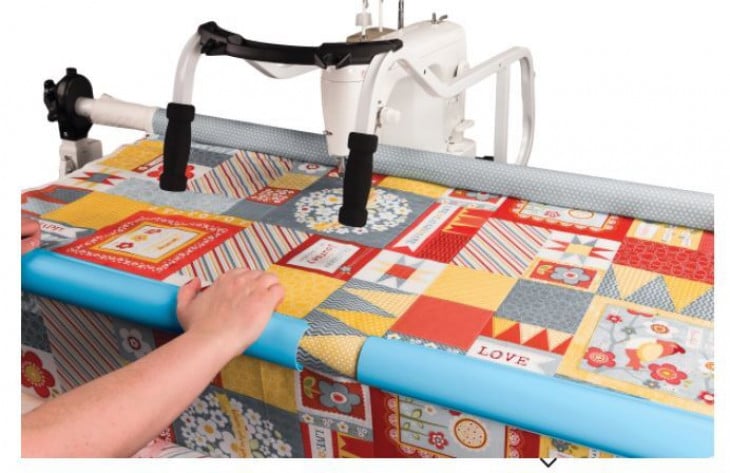
Are you considering purchasing a longarm quilting machine but aren't sure where to start? Buying a longarm is a big investment, and you want to make sure you choose a machine that supports your quilting needs for years to come. With so many machines, frame sizes, features, and automation options available, it can be hard to know which setup is right for you. The good news is that you don't have to figure everything out at once. A great place to start is by establishing three things: your budget, your available space, and how often you quilt. Once you understand those basics, you can narrow down your options and find the features that matter most to you.
Let's walk through seven questions to ask before purchasing a longarm quilting machine.
Longarm quilting machines are a significant investment, so it's important to determine what you're comfortable spending before you start shopping. As you compare options, remember to consider the entire setup, not just the machine itself. Your total cost may include a quilting frame, accessories, rulers, and automation software, depending on the setup you choose. If paying the full amount upfront isn't ideal, explore whether financing options are available. Financing may allow you to spread the cost over time, making it easier to plan for a purchase that fits your budget. Having a budget in mind will help you focus on machines that offer the features you need without paying for extras you may not use.
Your available space can play a big role in determining which longarm is right for you. Whether you have a dedicated quilting room, a corner of your sewing room, or a multipurpose space, you'll want to measure carefully before choosing a machine. Remember to account for more than the length of the frame. You'll also need room to move around the machine comfortably, access the sides of your frame, and work with your quilts.
Consider the following:
Many quilters recommend choosing the largest setup that fits comfortably in their space. A larger frame and more throat space can give you flexibility as your quilting projects grow, but the right choice ultimately depends on your room and the quilts you make. If space is limited, don't assume a longarm is out of reach. Grace Company offers space-saving frame options compatible with select machines, including the Little Rebel, Grace 16, and Grace 16X Elite. Check the dimensions and compatibility of each setup to find one that works for your space.
Think about how frequently you quilt and what you want your quilting experience to look like. Do you quilt a few projects each year, or are you constantly working on your next quilt? Do you enjoy taking your time with each project, or would you like to finish more quilts in less time? Your answers can help you determine which features are worth investing in. If you quilt frequently, features that make your workflow more comfortable and efficient may be especially valuable. If quilting is an occasional hobby, a simpler setup may meet your needs. There's no right or wrong answer. The goal is to choose a machine that fits the way you quilt today while leaving room for your interests to grow.
Now that you've considered your budget, space, and quilting habits, it's time to look at the details that will help you choose your machine.
Think about the projects you make most often. Are you primarily quilting baby quilts, wall hangings, and table runners, or do you regularly make full-size bed quilts? The size of your projects can help you determine which machine and frame combination makes sense for you. If you usually make smaller projects, you may not need the largest setup available. If you regularly work on larger quilts, you'll want to consider how much room you'll need to maneuver your quilt and complete each project comfortably. It's also worth thinking about the projects you want to make in the future. Choosing a setup that accommodates your long-term quilting goals can help you avoid outgrowing your machine too quickly.
Throat space refers to the open area between the needle and the machine's body. It determines how much room you have to quilt before you need to advance or reposition your quilt. More throat space can be particularly helpful when quilting large blocks, wide designs, or all-over patterns. It gives you more room to work on a section of your quilt without moving the fabric as frequently. However, more throat space isn't automatically necessary for every quilter. Consider the size of your typical projects, the designs you enjoy quilting, and the amount of room you have available. When comparing machines, look at both throat space and the overall dimensions of the machine and frame. This will help you understand how each setup will fit your projects and your home.
One of the biggest decisions you'll make is how you want to quilt. With manual quilting, you guide the machine yourself to create your designs. This gives you the freedom to practice free-motion techniques, develop your own style, and control the movement of your stitching. Automation offers another way to quilt. With a compatible automation system, you can select a digital design and let the system guide the machine along the programmed stitching path. Some quilters prefer manual quilting, while others enjoy the repeatability and convenience of automation. You may even want the flexibility to do both. If automation interests you, consider whether you'd like it from the beginning or might want to add it later. Check which automation systems are compatible with your machine and frame before purchasing. Planning ahead can help you choose a setup that supports your future goals.
Longarm machines can come with a variety of features, but more features don't necessarily mean a better fit for your needs. Instead of focusing on the number of features a machine offers, think about what would make your quilting experience easier and more enjoyable.
Here are a few features worth considering:
Consider which features you'll use regularly and which ones are simply nice to have. If possible, try a machine in person or watch a demonstration to see how its features work in practice.
Your buying experience doesn't end when your machine arrives. Learning to use a new longarm can take time, and having access to helpful resources can make that process easier. Before purchasing, find out what kind of support is available. Look into the manufacturer's tutorials, educational resources, customer service, warranty coverage, and troubleshooting assistance. It's also worth checking whether the manufacturer offers ongoing software updates or educational opportunities to help you get more from your machine. If you're new to longarm quilting, these resources can be especially helpful as you learn new techniques and become familiar with your setup. A machine is a long-term investment, so consider the support you'll have throughout your ownership, not just the features you'll receive on day one.
When comparing longarm machines, take a close look at what's included in each package. One setup may include the machine and frame, while another may require you to purchase certain accessories separately. Some packages may also include additional tools or software.
Before making a decision, check whether your purchase includes:
Also, check whether the frame size and accessories meet your needs. A lower starting price doesn't always mean a lower total cost if you still need to purchase essential components. Comparing complete setups will give you a clearer picture of what you're getting and help you plan your budget.
This final question brings everything together.
Think about what you enjoy most about quilting. Is it the satisfaction of finishing a quilt entirely on your own? The creative freedom to experiment with new designs? The ability to quilt more projects for family and friends? Or the possibility of eventually turning your quilting hobby into a business? Your goals can help guide your decision. If you want to explore free-motion quilting, prioritize a machine that supports the techniques you're interested in learning. If you want to quilt larger projects or experiment with digital designs, look for a setup that accommodates those plans. You don't need to know exactly where your quilting journey will take you. Just consider what you want to do now and what you'd like to be able to do in the future.
Choosing a longarm doesn't have to be overwhelming. When you start with your budget, available space, and quilting habits, it's easier to narrow down your options and focus on what matters most. Take the time to compare machines, explore compatible frames, and learn about the features that interest you. If possible, see a machine in action and ask questions before making your decision. Most importantly, remember that the right longarm is the one that fits your space, your projects, and the way you want to quilt. Ready to explore your options? Discover Grace Company's longarm quilting machines and find a setup that can support your next quilting adventure.

For over 25 years the Grace Company has been the leading manufacturer of high quality quilting frames and quilting accessories. What truly sets The Grace Company apart from other competitors is its level of quality, value, and experience toward all their endeavours. From products to external and internal customer experience, the Grace Company responds to market and customer needs and continues to lead the quilting industry. Grace Company frames and hoops are designed to be easy to build and compatible with most major quilting machines. They'll have the quilting product you need.